

Projects
Food Security along the Humaitá River
In partnership with Associação Jiboiana

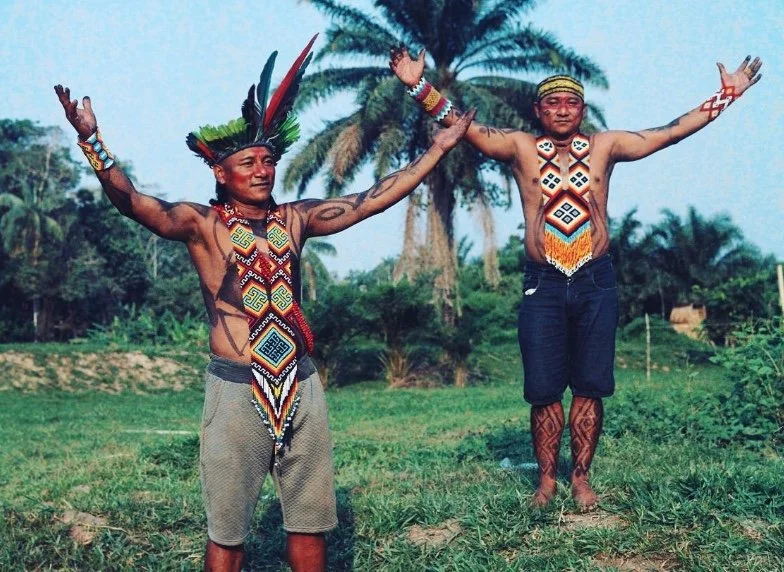
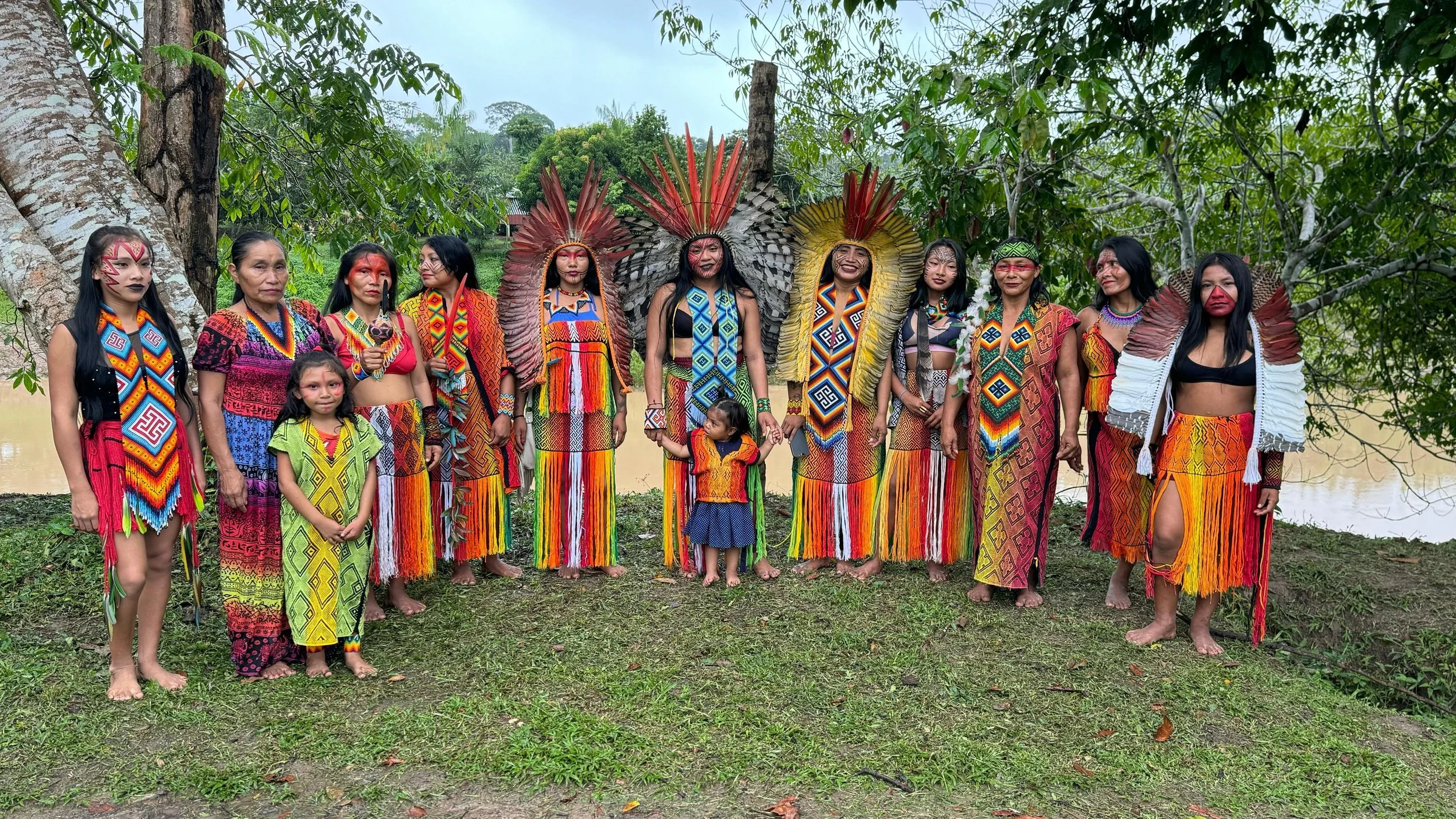
Six Huni Kuin villages on the Humaitá River are restoring food sovereignty after climate disruption, pollution, and food dependency fractured their ancestral connection to the land.
In partnership with Associação Jiboiana, we're building regenerative gardens, artesian wells, fish ponds, and a network of Indigenous specialists—restoring autonomy, nourishing communities, and creating a replicable model of resilience.
2026 Kayawei Earth Initiatives
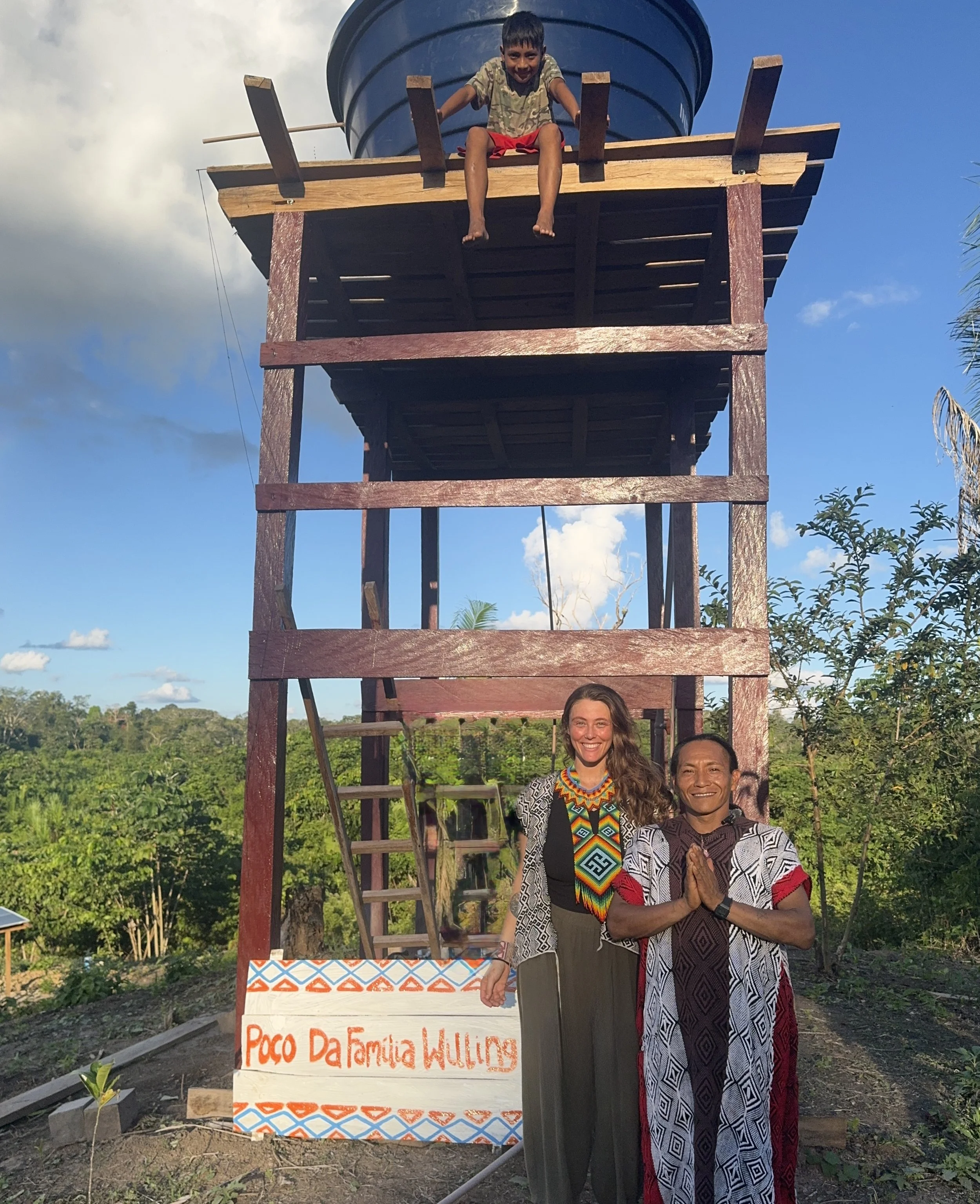
In June 2026, Kayawei Earth constructed an artesian well for Txaná Tuwe’s village, giving his family access to fresh water in their home for the first time
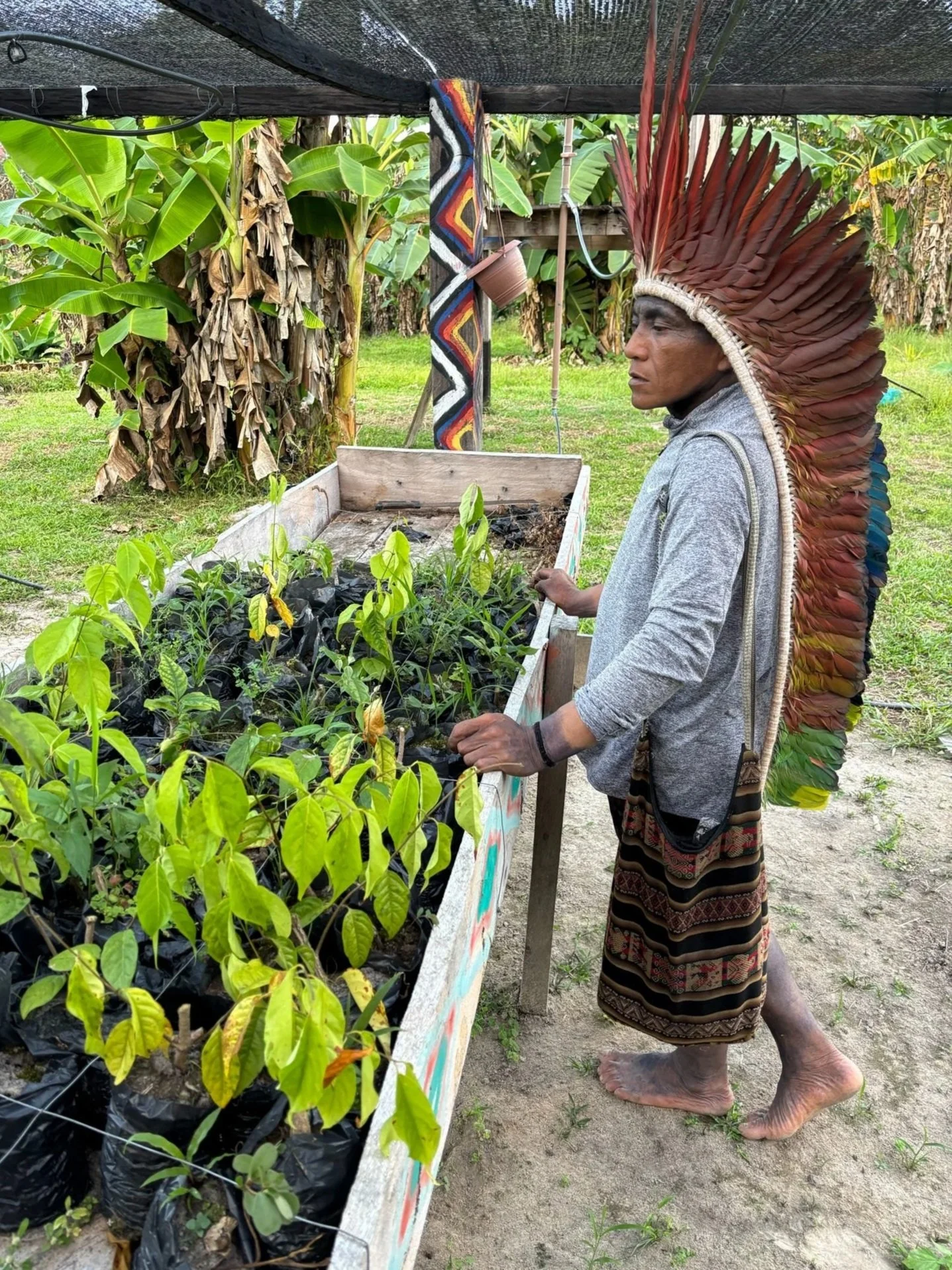
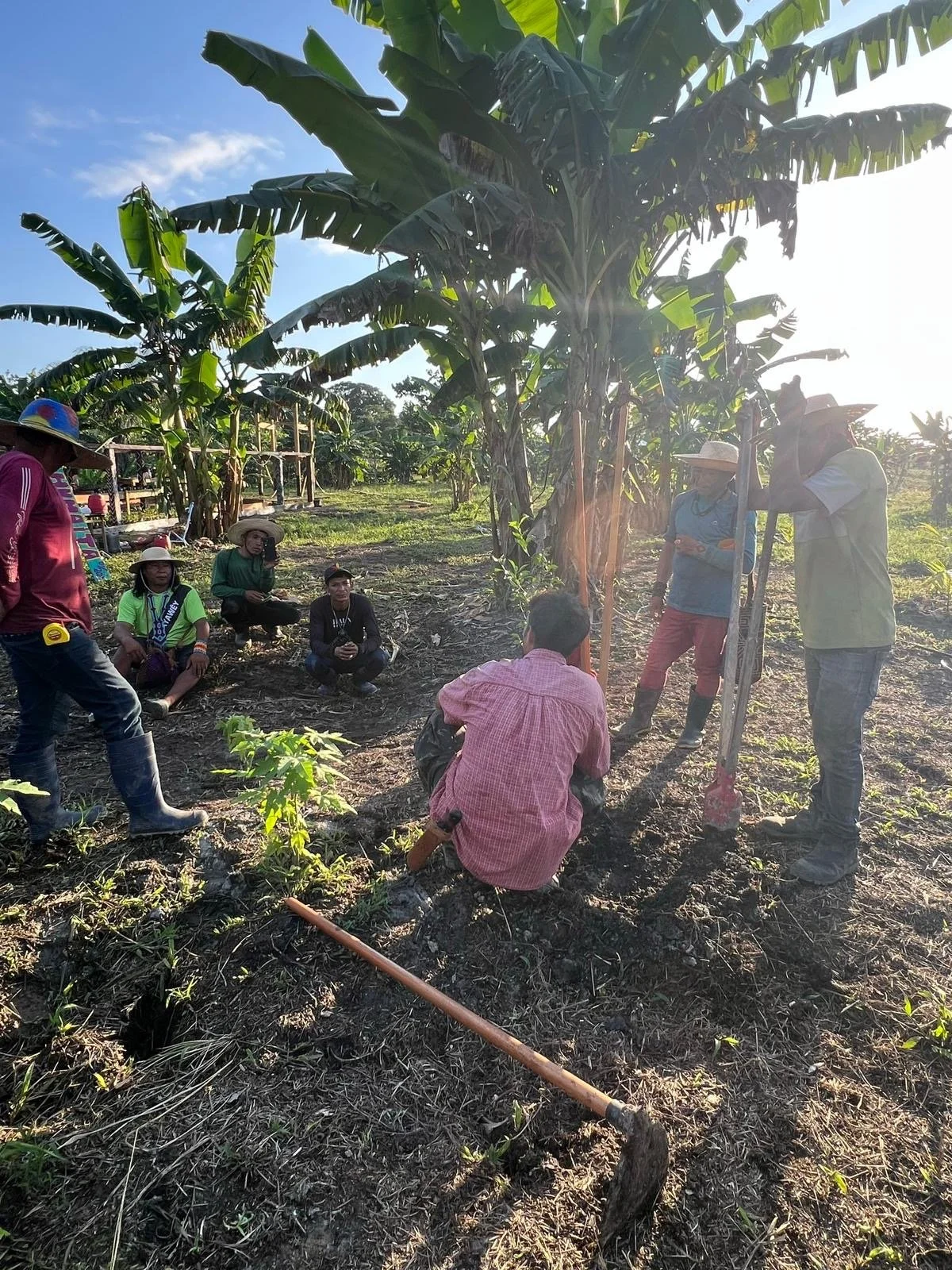
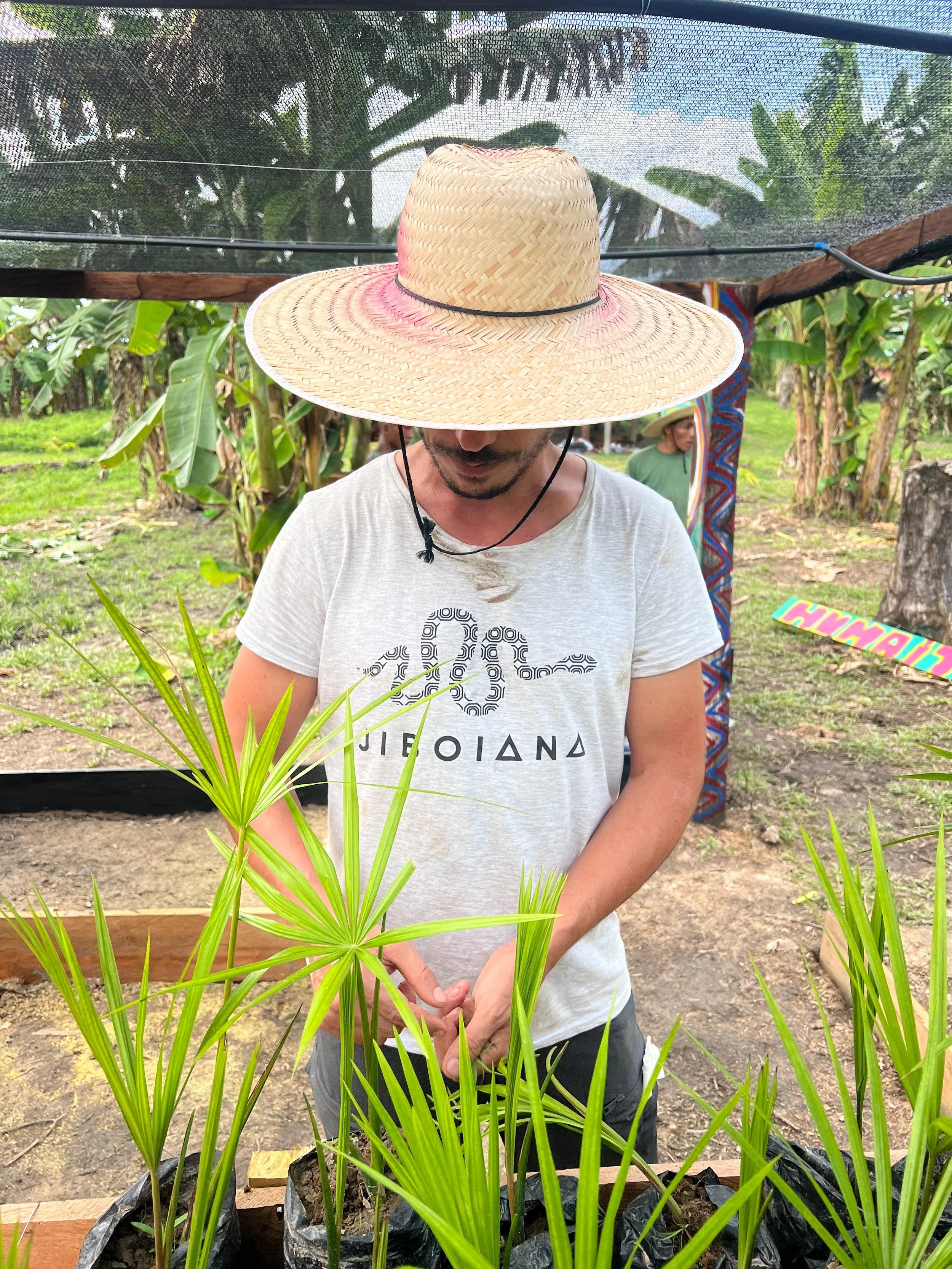
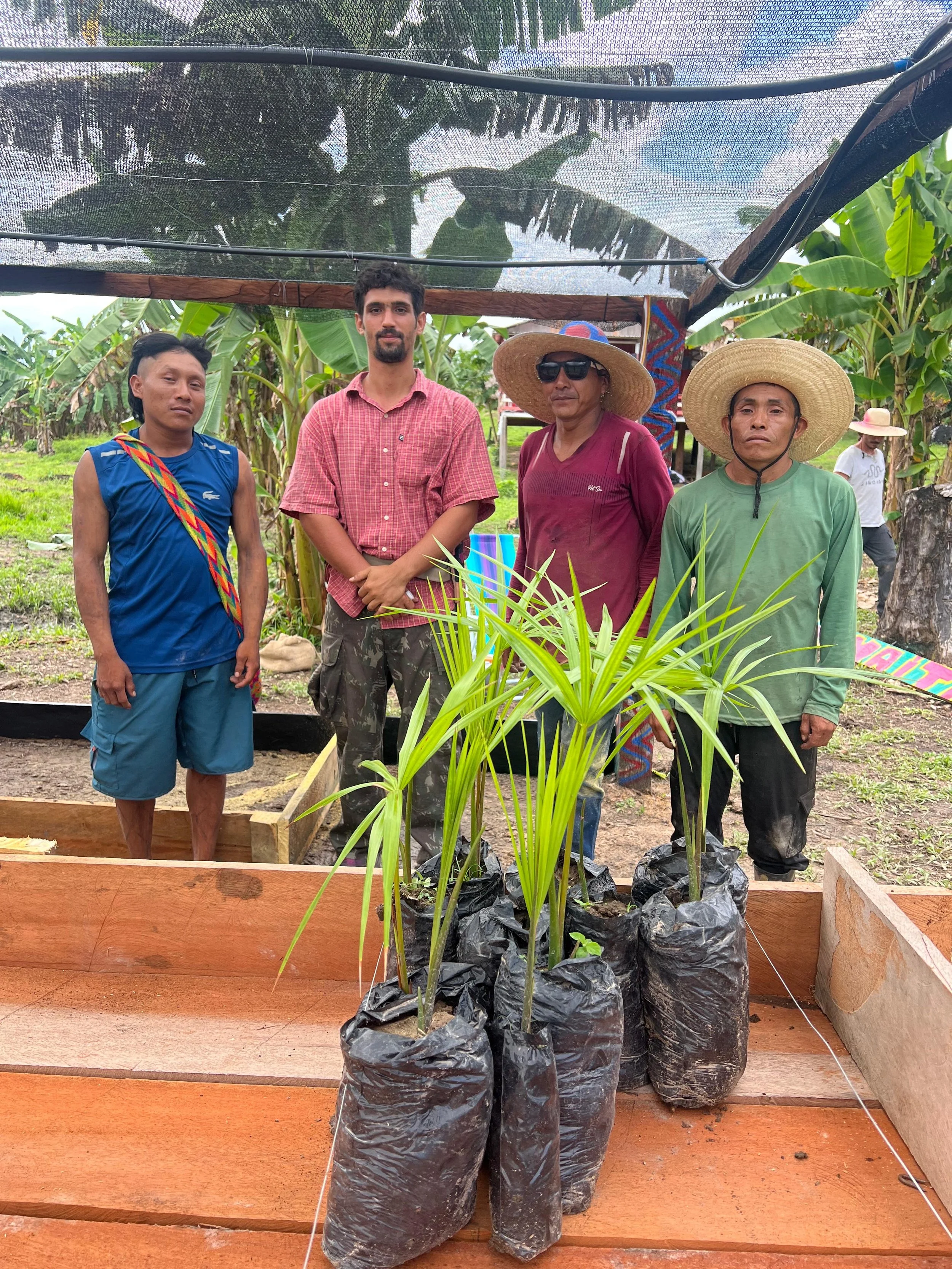
We currently support monthly planting programs in Novo Futuro, supporting the donations of seedlings and paying Indigenous agroforestry agents
Our Next Steps in Food Security
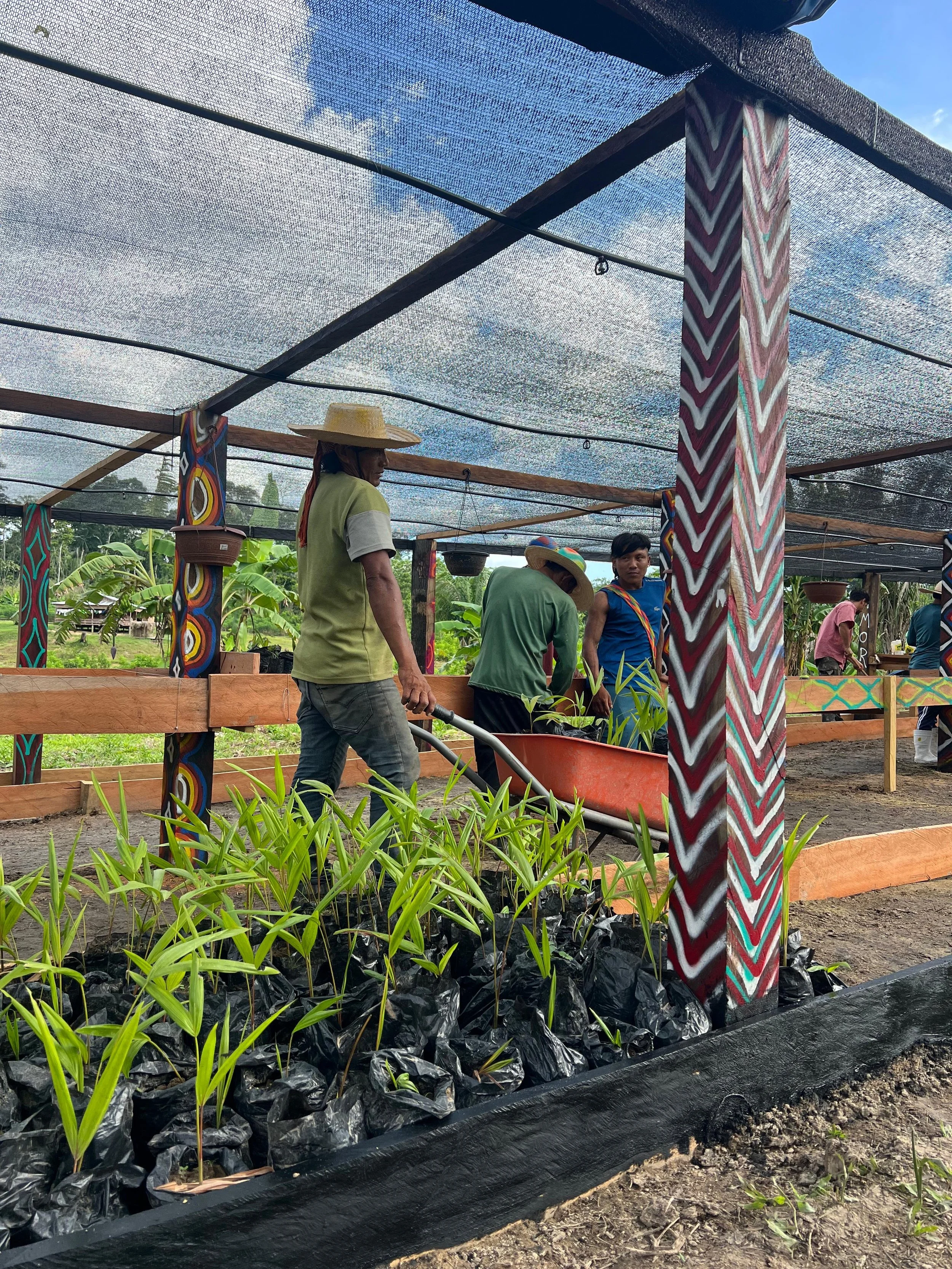
Expansion of Agroforestry Systems in Novo Futuro Village
Seven months of wages for local indigenous agroforestry agents
The purchase of 500 fruit and native tree seedlings
River transport of seedlings and supplies
Ongoing technical coordination and oversight
Goal: $15,000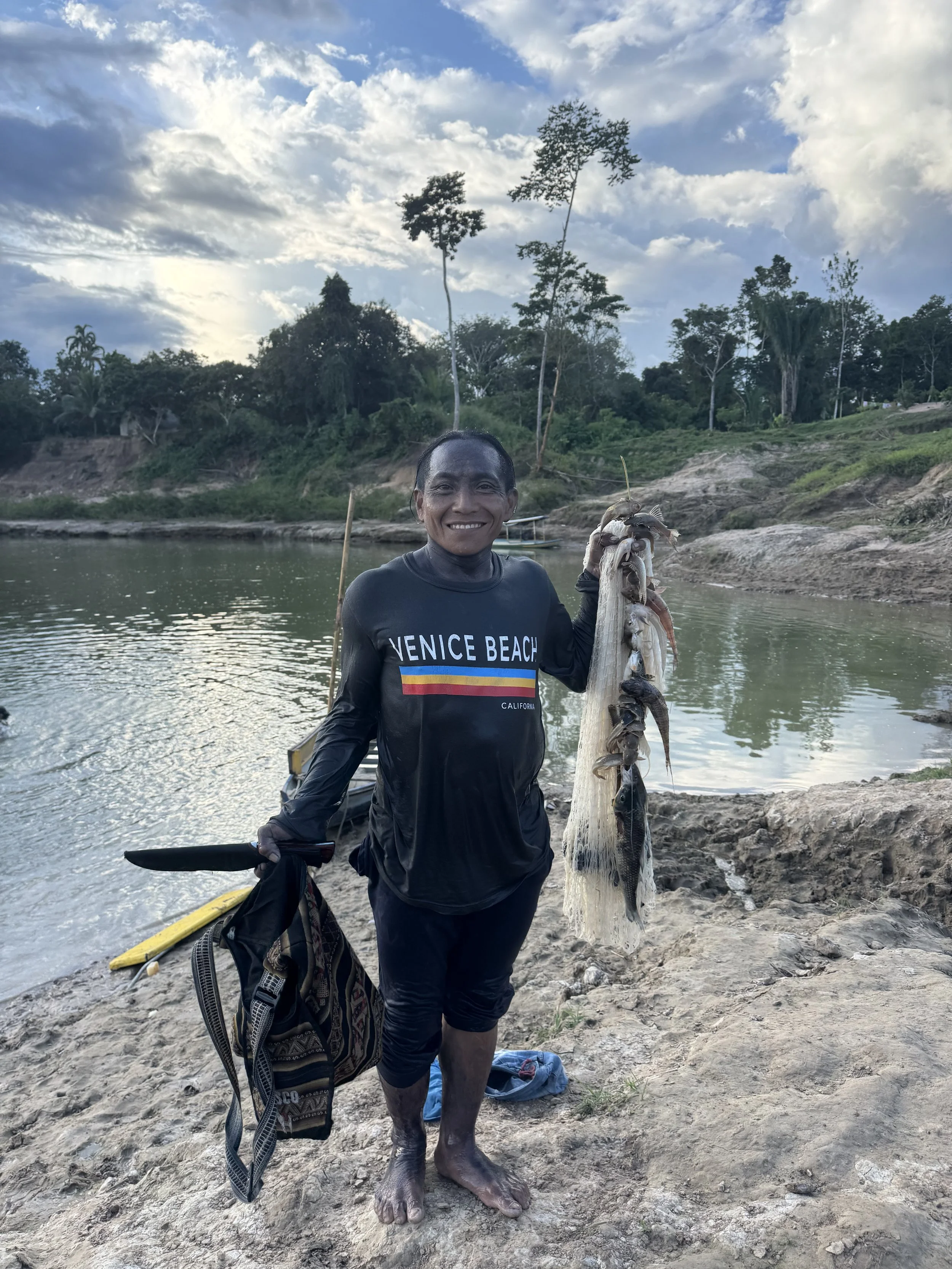
Two Fish Ponds in Novo Futuro Village
Goal: $20,000 ($10,000 already raised)Transport of machinery and labor to create and stock two fish ponds
Ongoing technical coordination and oversight

A Look into our Broader Vision
The Crisis
The Huni Kuin people in the six villages along Brazil's Humaitá River—are facing a food security crisis. Climate change has disrupted traditional hunting and fishing. River pollution has contaminated their water.
Government-supplied processed foods have replaced fresh, traditional diets—creating epidemic malnutrition in children and chronic diseases in adults.
The Huni Kuin have lost their ancestral food sovereignty and become dependent on failing external systems.

The Solution
Phase 1 of Kayawei Earth project: $250,000
In partnership with Associação Jiboiana, we're launching a community-led initiative to restore food sovereignty through sustainable infrastructure including:
Community Gardens & Agroforestry systems: Community nurseries, seedling production, planting campaigns
Sustainable Protein Production: Fish ponds and poultry farming
Food Processing facilities: Small scale fruit processing machines for traditional staples, such as açaí
Training and Education: Inter-village technical training and salaries for Indigenous agroforesty specialists

The Impact
Circular economy: Villages trade with each other instead of depending on distant, expensive cities
Indigenous autonomy: Restored self-sufficiency and sovereignty
Traditional knowledge: Preservation of ecological wisdom
Biodiversity protection: Reforestation and sustainable practices
Replicable model: A blueprint for vulnerable communities worldwide